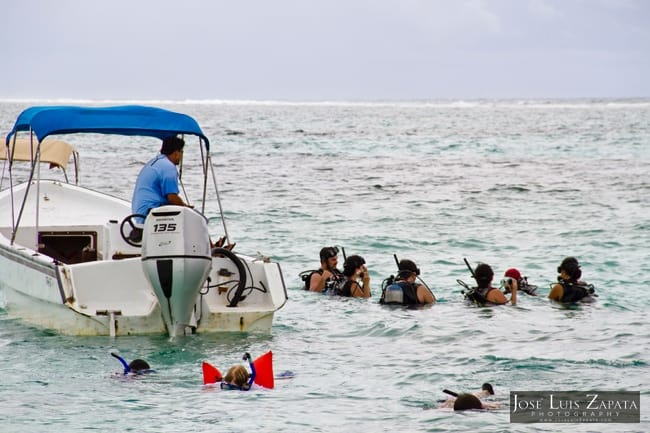
Hol Chan Marine Reserve is one of the top attractions in Belize and a must-visit for anyone staying in Ambergris Caye or Caye Caulker. The name Hol Chan means “little channel” in Maya, referring to a natural break in the barrier reef. Established in 1987, it was Belize’s first marine reserve and remains one of the most visited snorkeling and diving sites in the country.
The reserve covers about 41,700 hectares and extends along much of the eastern side of Ambergris Caye. Its centerpiece is a channel about 75 feet (23 m) wide and 30 feet (9 m) deep, located roughly 4 miles (6 km) southeast of San Pedro. The area is part of the Belize Barrier Reef System, a UNESCO World Heritage Site, and is home to hundreds of species of coral, fish, and marine invertebrates.
Visiting Hol Chan

Hol Chan Marine Reserve is easily accessible from both Ambergris Caye and Caye Caulker. It takes about 20 minutes by boat from San Pedro or 40 minutes from Caye Caulker. Snorkeling and diving tours operate daily, with most trips visiting both the main reef channel and Shark Ray Alley, where nurse sharks and stingrays gather in shallow turquoise waters.
Zones of the Reserve
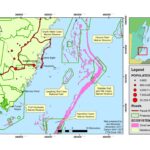
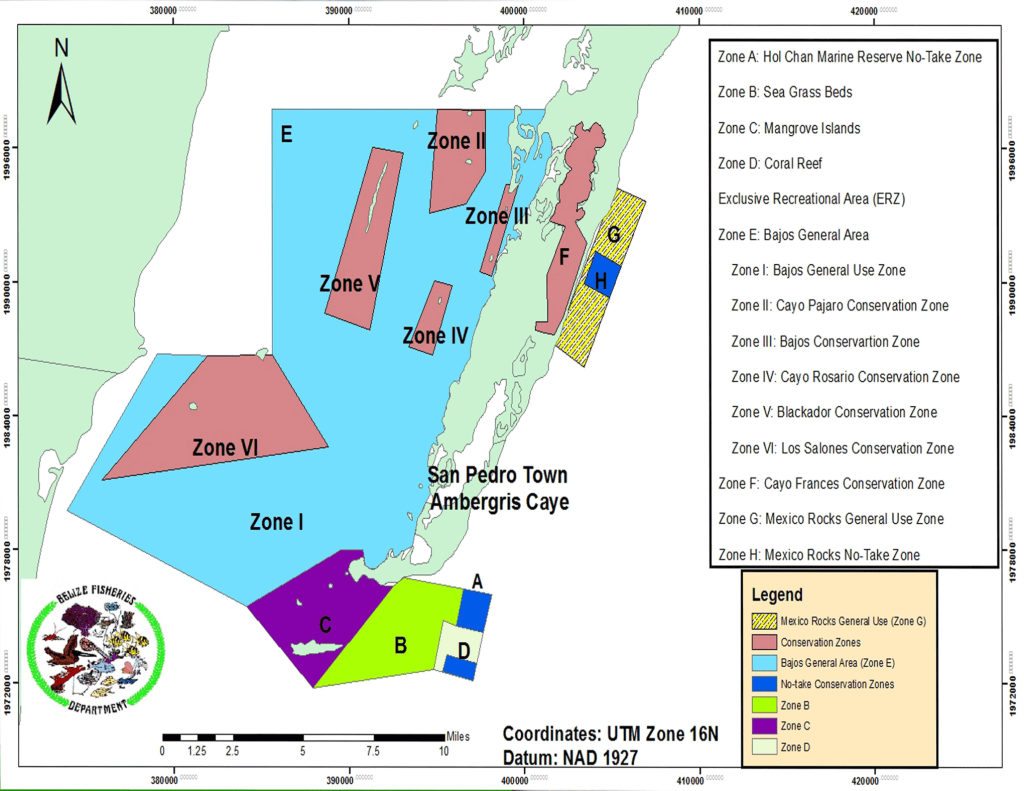
To help protect different marine habitats, Hol Chan is divided into several management zones. The original reserve included four zones, and in 2015 it was expanded to include new conservation and general-use areas around Ambergris Caye, increasing its size more than tenfold.
Original Zones
Zone A – Hol Chan Channel (No-Take Zone)
This is the main snorkeling and diving area where the reef opens into a channel about 75 ft (23 m) wide and 30 ft (9 m) deep. Fishing and extraction are prohibited here. It’s famous for its dense coral formations, schools of tropical fish, and occasional turtle or ray sightings.
Zone B – Seagrass Beds
Located just inside the reef, this zone protects the seagrass meadows that serve as feeding grounds for manatees, rays, and juvenile fish. The calm, shallow water makes it an important nursery area for many marine species.
Zone C – Mangrove Islands
Found along the back of Ambergris Caye, this zone safeguards mangrove forests that provide critical shelter for birds, fish, and crustaceans. These mangroves also help prevent coastal erosion and filter nutrients from inland runoff.
Zone D – Shark Ray Alley
Once used by fishermen to clean their catch, this shallow sand-bottom area became a natural gathering spot for nurse sharks and stingrays. Today it’s one of Belize’s most popular snorkeling stops, offering close encounters with these gentle creatures.
Expansion zones (added 2015)
Zone E – Bajos (General Area)
This zone includes shallow sand flats and “bajos” (shoals) that are important habitats for bonefish and other sport-fishing species. It’s managed as a general-use area, balancing tourism, recreation, and conservation.
Zone F – Cayo Frances (Conservation Zone)
Located west of Ambergris Caye, this zone protects mangrove-fringed lagoons and back-reef habitats that support a wide variety of fish and birdlife. Limited low-impact tourism and research are allowed here.
Zone G – Mexico Rocks (General Use Zone)
Part of the 2015 expansion, this shallow patch reef north of San Pedro allows regulated snorkeling, diving, and some fishing activities. The coral heads rise close to the surface, creating an easy and colorful underwater experience.
Zone H – Mexico Rocks (No-Take Zone)
Located within Zone G, this section is fully protected, with no fishing or extraction allowed. It preserves some of the healthiest coral formations in northern Belize and serves as a refuge for parrotfish, angelfish, and other reef species.
This expansion made Hol Chan one of the largest and most diverse marine reserves in Belize, covering coral reefs, seagrass meadows, mangrove islands, and extensive sand flats.
Tips for Visiting
- Best time to go: Morning tours usually offer calmer conditions and better visibility.
- Tour options: Choose from half-day or full-day snorkeling and diving trips that often include both Hol Chan and Shark Ray Alley, or Mexico Rocks.
- Fees: The park entrance fee is typically included in the tour price.
- What to bring: Reef-safe sunscreen, a rash guard, hat, sunglasses, and an underwater camera.